
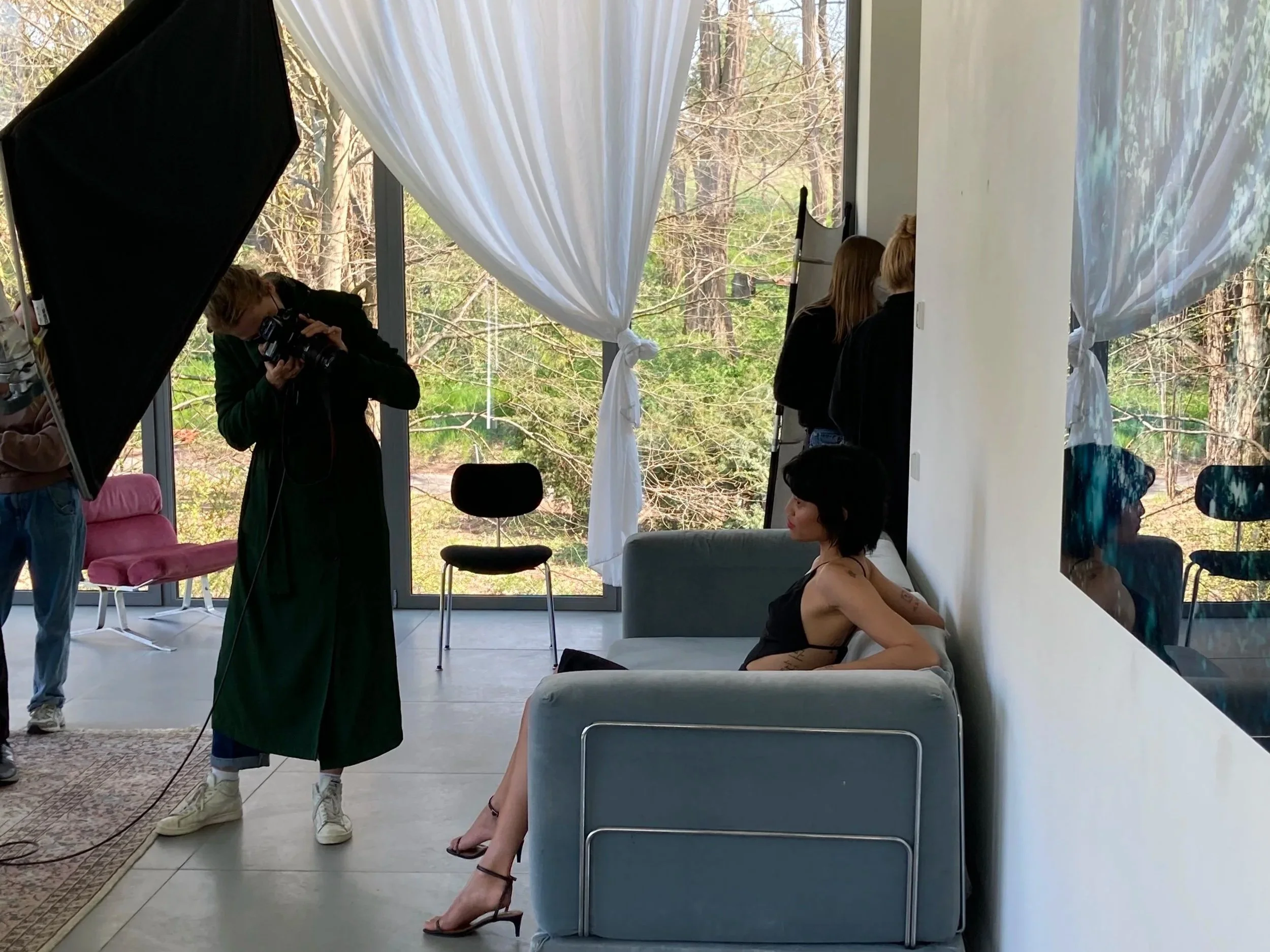
Many brands get it wrong when picking a collaborator. They start with reach: who has the biggest audience, the most engagement, the "right" aesthetic. They build a list of partners based on numbers and hope the results follow, and at this point we should have passed that stage.
I've spent this year curating an editorial content series and seeding programme for a footwear brand looking to increase visibility and resonance locally and in newer markets. No budget. No agency. Just a concept, a product and a shortlist of people I believed would wear it honestly. The results were better than anything a paid campaign would have produced. Because the selection process was right.
Here's how I think about it.
Forget the brief. Look at the lifestyle.
A brand collaboration isn't a casting call. You're finding someone whose actual, existing life makes sense next to the product. That means looking beyond the grid and into the bones and passion of what someone does. What do they make? Where do they make it? What does their workspace look like? How does the product genuinely look in their day-to-day life?
The best collaborator I found for this project was a painter. Not a fashion person. Not an influencer. A painter who works in an oil-splattered studio and happens to have impeccable taste in shoes. The product showed up next to brushes and canvases because that's where it actually lives. Nothing was staged because nothing needed to be.
Small audiences are underrated
The most impactful placements in this programme came from people with 10K–20K followers. Not because smaller is inherently better, but because at that scale, the audience is usually real. They follow because they care about the work, not because an algorithm surfaced a viral moment three years ago.
A stylist with 20K followers who works with Dazed and Vogue carries more weight than a lifestyle account with 200K and no editorial credibility. One signals taste. The other signals reach. For an emerging brand trying to build cultural relevance rather than awareness, taste wins every time.
The person should want to say yes before you ask
If you have to convince someone to collaborate, you've picked the wrong person. The best partners are the ones who see the product and immediately understand where it fits in their life. They don't need a mood board or a creative brief. They need a pair of shoes and a camera.
One of the strongest signals I got during this project was when a creative with 48K followers reached out to us asking to be part of the programme — without being approached. That's pull, not push. And it only happens when the existing placements are visible and curated well enough that other people want in, and the person you've chosen actually likes and champions the product and brand. These collaborations are essentially an opportunity for an always-on brand ambassador.
Look for a practice, not a platform
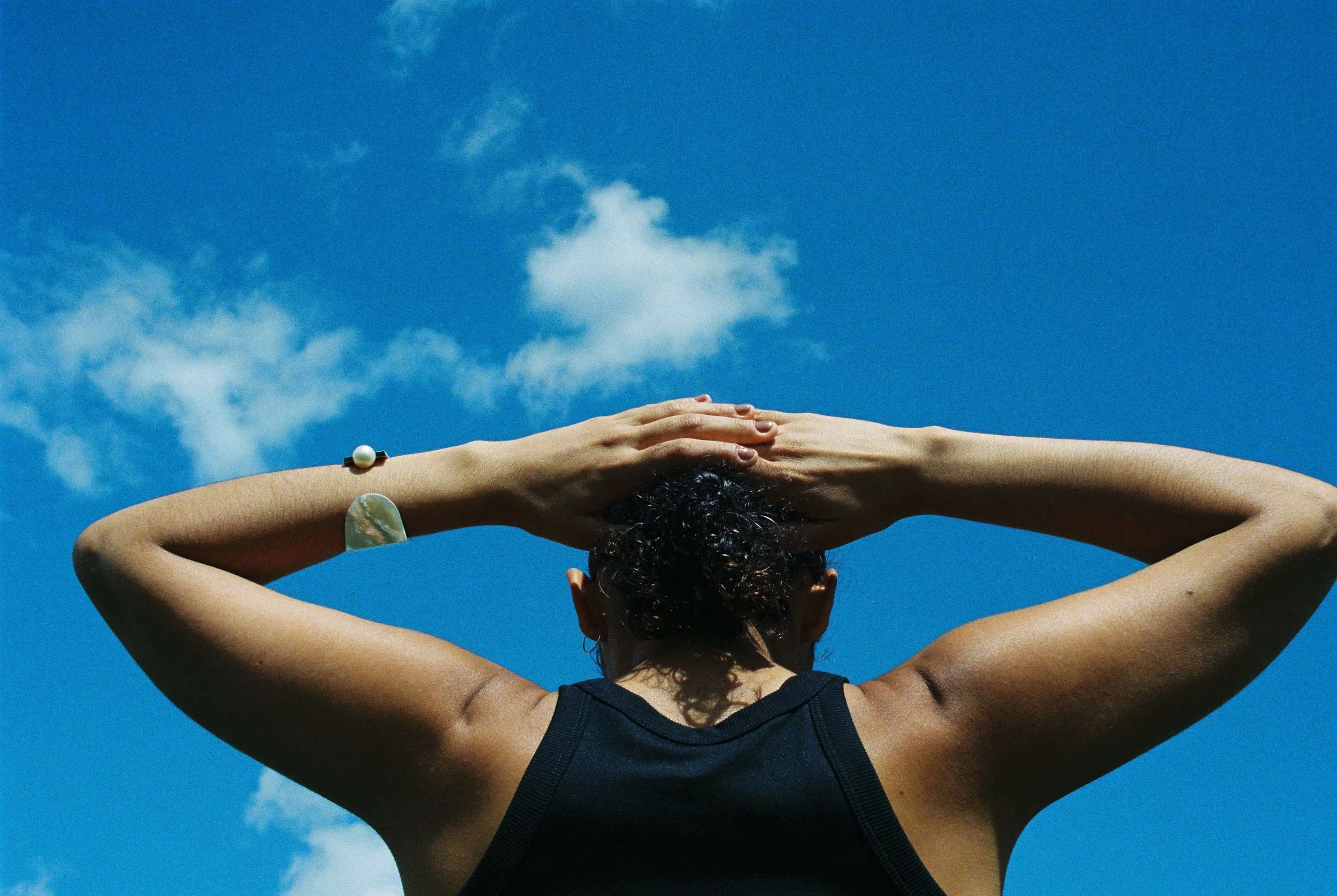
Image by Joanna Legid
The most interesting collaborators aren't defined by their social media presence. They're defined by what they do when nobody is documenting it. A ceramicist in her workshop. A textile designer who has been weaving for twenty years. A jeweller who splits her time between a bench and a hospital ward. A curator who activates abandoned spaces for contemporary art.
These people have something to say about their work that goes beyond a caption. When you pair them with a product and ask them to talk about their practice, the brand becomes part of a real story rather than interrupting one.
Diversity of discipline matters more than diversity of audience
If every collaborator is a fashion person, the brand stays in a fashion conversation. But if you pair a painter with a chef with a ceramicist with a stylist, the brand starts appearing across multiple worlds simultaneously. Each person brings a different audience, a different context and a different reason to pay attention.
For the programme I ran, the roster included a painter, a photographer-DJ, a stylist and fashion director, a jeweller and several creatives who resist easy categorisation. The brand showed up in art studios, music spaces, editorial shoots and everyday street style — all organically, all at once.
The question I always ask myself
Before I reach out to anyone, I ask one thing: if this person posted wearing the product tomorrow with no context, no tag, no brand mention — would it look right? Would their audience think "that's very them" rather than "that's an ad"?
If the answer is yes, the collaboration will work. If I have to squint or rationalise it, I move on.
The whole point of curation is making choices that feel inevitable in hindsight. The best brand collaborations don't look like collaborations at all. They look like someone's life.